
Pillar
Biomedical & Biotech
Discovery chemistry with applications in health and biotechnology, from natural products and drug leads to how organisms survive extreme environments.

Turning ideas into solutions and research into innovation, with students, scientists, founders and the Tahoe community in the same room.
The Tahoe Discovery Lab is a hub where education, innovation, industry and community come together. Students work alongside faculty, entrepreneurs, CEOs and community partners to explore ideas, test them and develop them into real-world solutions.
Through advanced research instruments, experiential learning, interdisciplinary courses and direct engagement with industry leaders, the lab helps prepare the next generation of leaders and problem-solvers, and supports a culture of lifelong learning at the lake.
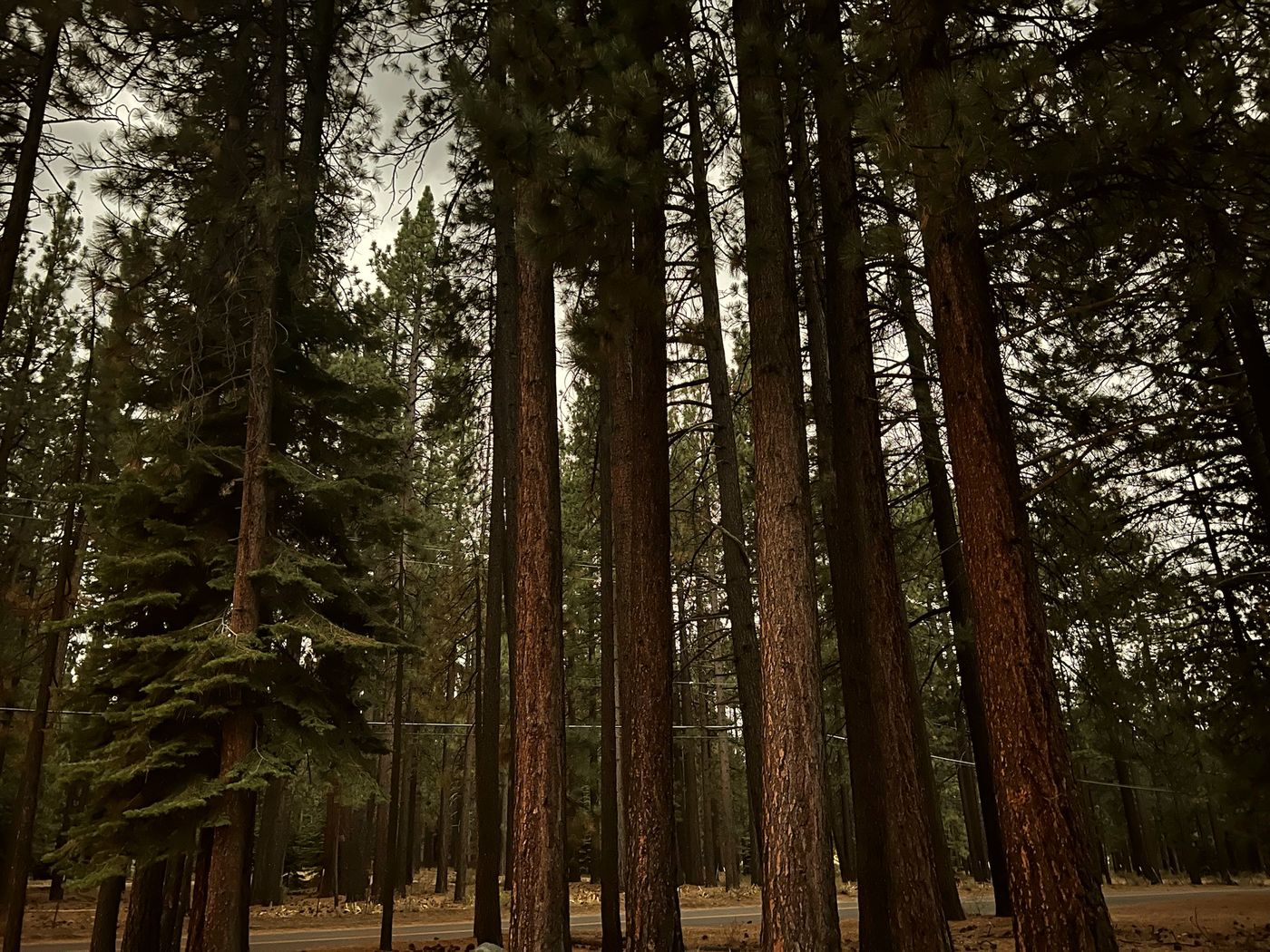
The Sierra Nevada is our laboratory. Questions start in the landscapes the Tahoe community knows and wants to protect.
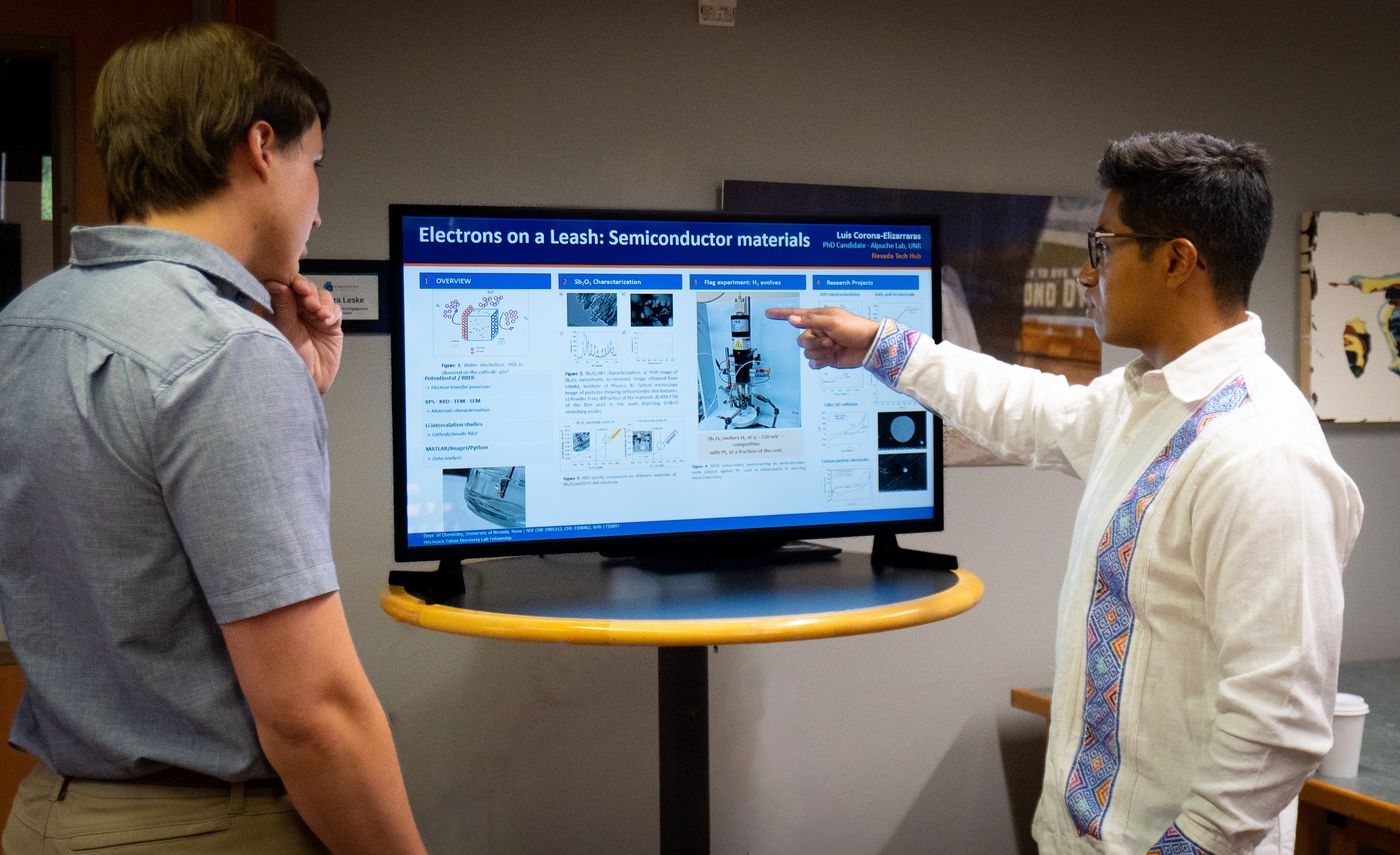
In the lab, ideas become data, molecules and prototypes that experts can test, challenge and improve.
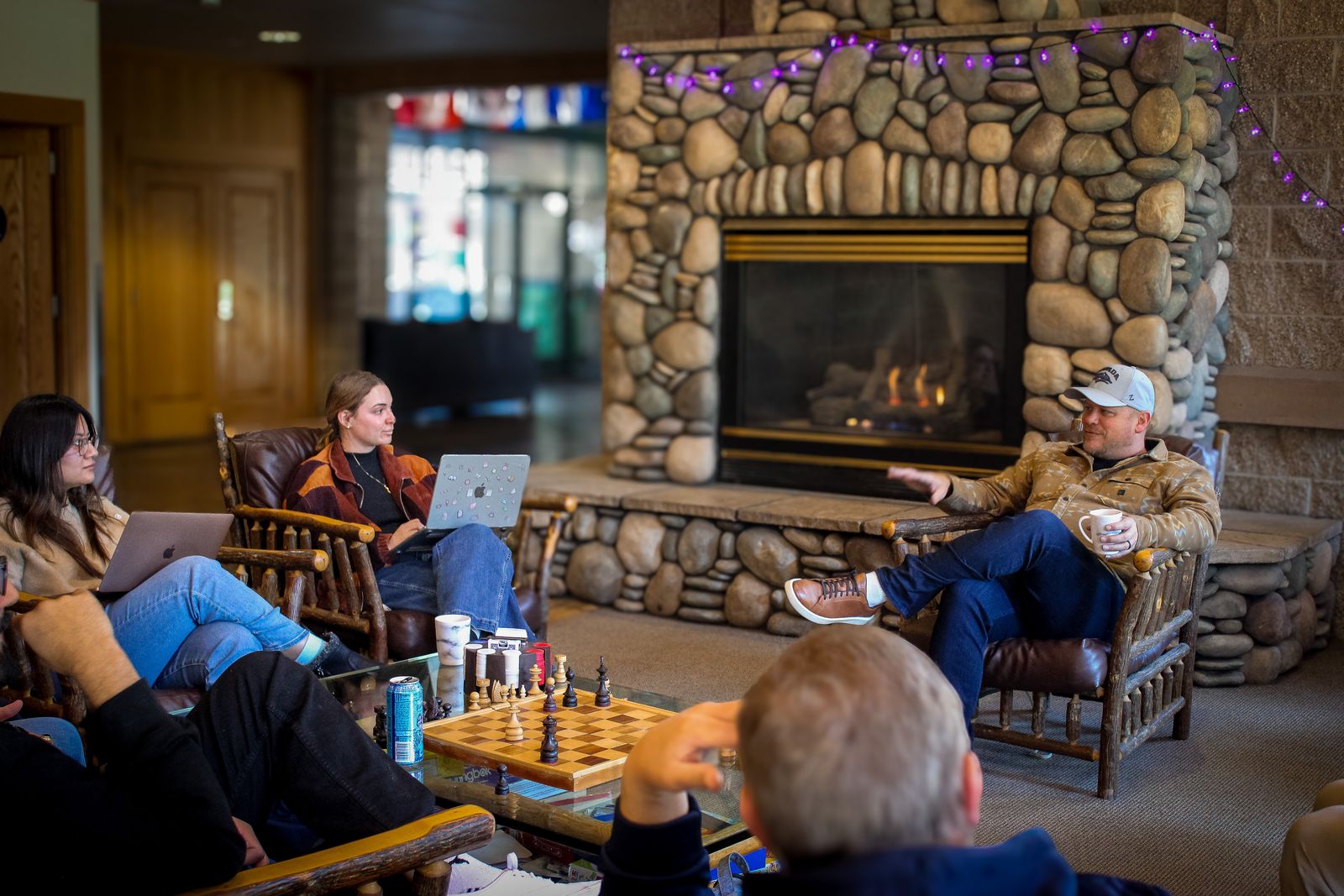
Weekend courses, talks and panels bring founders and neighbors through the door to share hard-won experience.
Discovery chemistry with applications in health and biotechnology, from natural products and drug leads to how organisms survive extreme environments.
Electrochemistry, critical minerals, semiconductors and energy materials, led by Prof. Christopher Barile and built around industry partnerships.
Open to students of all majors, with no prerequisites. Each course is a fully immersive weekend at the Lake Tahoe campus, with guest lectures from CEOs, founders and industry professionals, and time to talk with them one on one.
A course for future founders that follows the entrepreneurial process from discovery to market validation and venture growth. Co-developed with Tahoe community member Conrad Voorsanger.
An immersive weekend at the Lake Tahoe campus on semiconductor innovation, taught by JP Park of the College of Engineering.
Liquid chromatography–mass spectrometry, from theory to hands-on laboratory training. Learn to perform, evaluate and communicate quantitative chemical analyses. Taught by Dr. Casey Philbin.
Questions about enrolling? Email Prof. Christopher Jeffrey at cjeffrey@unr.edu.

Prof. Barile shares work from his lab on turning carbon dioxide into useful fuels and chemicals, and on smart windows that switch between clear and dark to help buildings save energy.
What happens when students, scientists and industry leaders spend a weekend together in the pines. Written and photographed by Jade Magana.
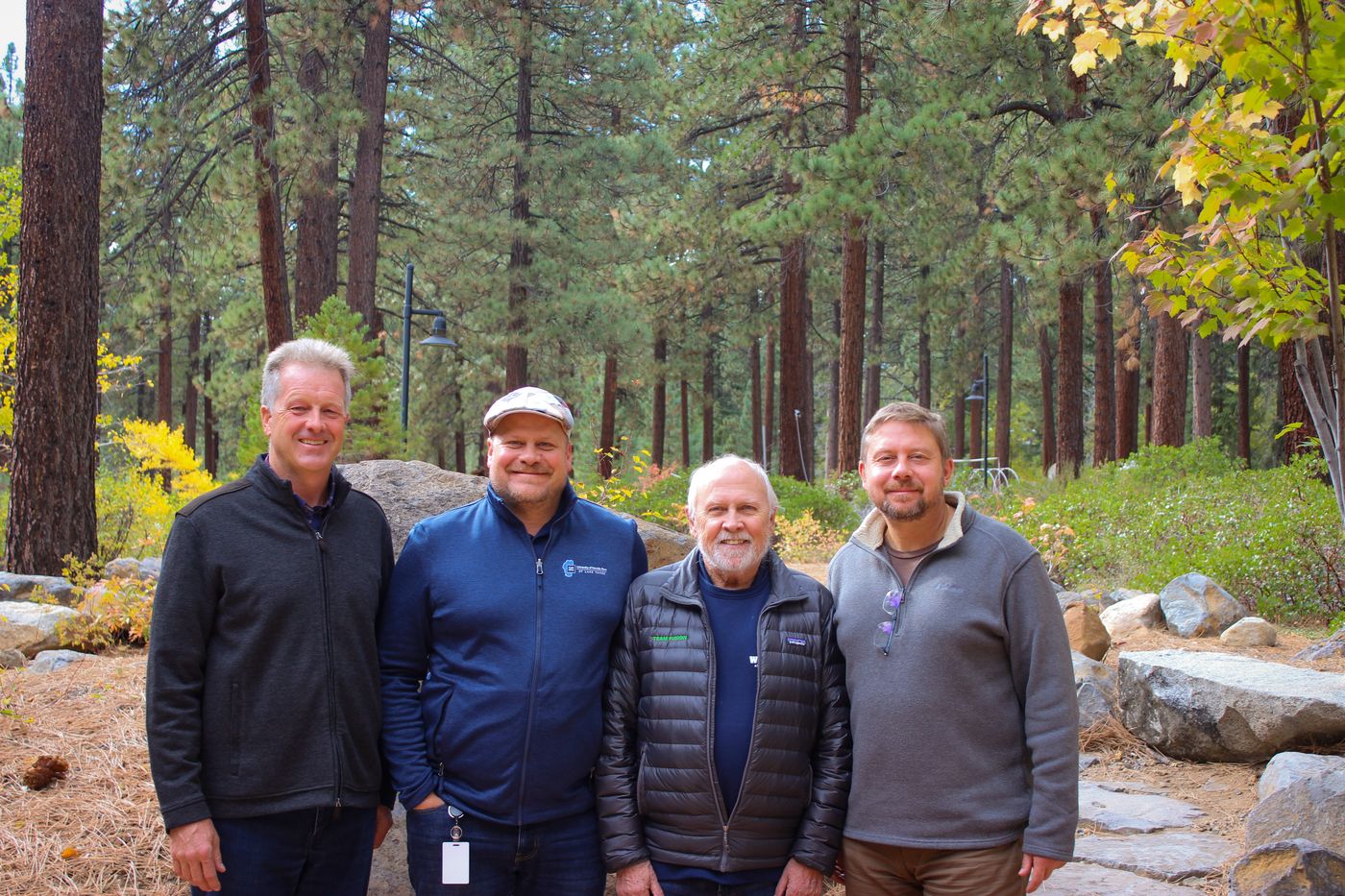
Students from the Colleges of Science, Liberal Arts, Business, and Agriculture, Biotechnology and Natural Resources spent a weekend learning how designs in nature inspire discoveries in medicine, from the lab bench to life-saving HIV treatments. Mick Hitchcock, Dmitry Koltun and Scott Chadwick shared one message: discovery is a team effort.
“This can only happen when people get together and have conversations, build ideas and trust, and imagine possibilities.”Mick Hitchcock
“Chatting with these industry professionals gave me an insight into the broad scale and interdisciplinary aspect of the work; there really are limitless possibilities,” said Morgan Yeager, a graduate student in chemistry.
“What I learned was that the level of engagement with students was much higher than any classroom class that I’ve taught, and I want to build on that model and continue these courses across many sectors of innovation,” said Christopher Jeffrey, professor of chemistry.
“Investing in these connections signals to future students and partners that the University is a place where discovery doesn’t stop in the lab; it grows into something that makes an impact,” said Douglas Boyle, Interim Vice Provost and Dean at the University of Nevada, Reno at Lake Tahoe.

Innovations in Energy and Sustainability brought students together with Kevin Bush of Molten Industries, Emily Litt of Dragonfly Energy and battery executive Celina Mikolajczak.
Bush described building a furnace that reached 1,400 degrees in his college garage. “I just became addicted to finding that new piece of information that could unlock the next hypothesis, next experiment.”
“The reality is, there is only a finite number of academic jobs and there are tons of great opportunities in industry,” said Christopher Barile, Clemons-Magee Endowed Professor in Chemistry. “Expanding people’s horizons that way and giving them more opportunities to interact is important.”
“I want them to know that there’s good opportunities locally for them,” said Litt.
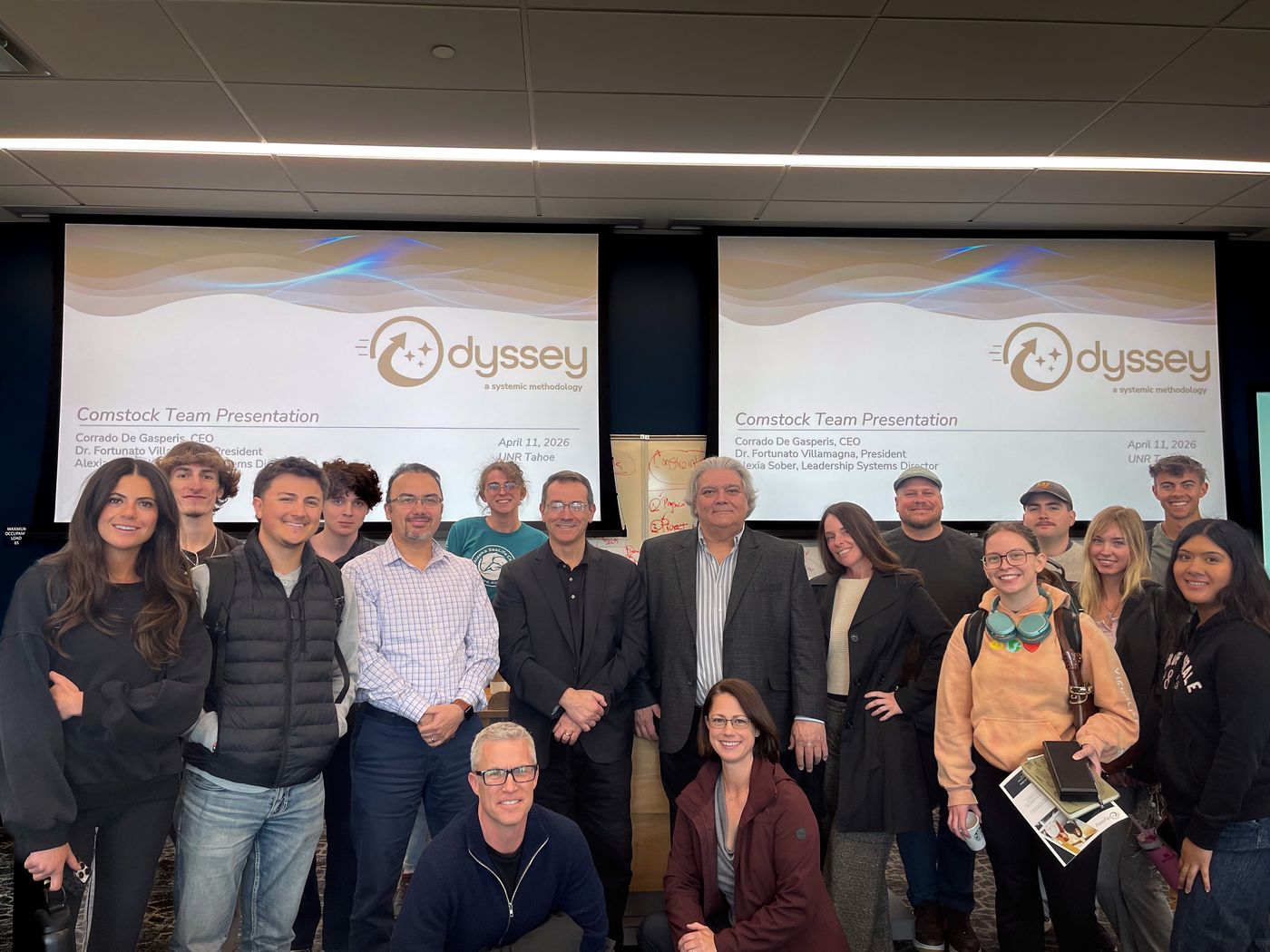
Held with Comstock Metals of Silver Springs, which is developing ways to recycle solar panels, the course showed how industry and academia can open pathways for students of every major.
“Even if you started the problem or are part of the problem, that doesn’t excuse you. You have to be part of the solution,” said Comstock CEO Corrado De Gasperis. Company president Fortunato Villamagna added, “No party will have all the assets they need.”
“I am a music major, so much of the chemistry went over my head, but I learned a lot that can be applied to leadership roles,” said Emma Marinelli, principal bassoon of the university orchestra.
“Connecting students to industry is vital at an early stage,” said Ehsan Vahidi, John N. Butler Endowed Professor in Extractive Metallurgy.

Wendy Owens, CEO of Hexas Biomass, gave the keynote for our first graduate-only weekend course, then sat down with students for the Northern Nevada Diversity Summit podcast.
“Entrepreneurs are often far ahead of the curve, and from the outside it looks like overnight success, but it was ten years of work.”
“Entrepreneurship is tough, so if you are going to do it, commit to it. And be honest with yourself. Don’t romanticize it. I learned more from failing than from succeeding, and that is okay. There are lots of resources. Ask for help and take advantage of them.”

Our September 1 open house showcased new analytical instruments made possible by Nevada Tech Hub and Agilent Technologies, the same platforms students will meet in industry.
The partnership strengthens workforce development across Northern Nevada by connecting students with advanced instrumentation and industry partners. Training on industry-relevant instruments gives students practical skills and helps regional employers build a pipeline of skilled talent.
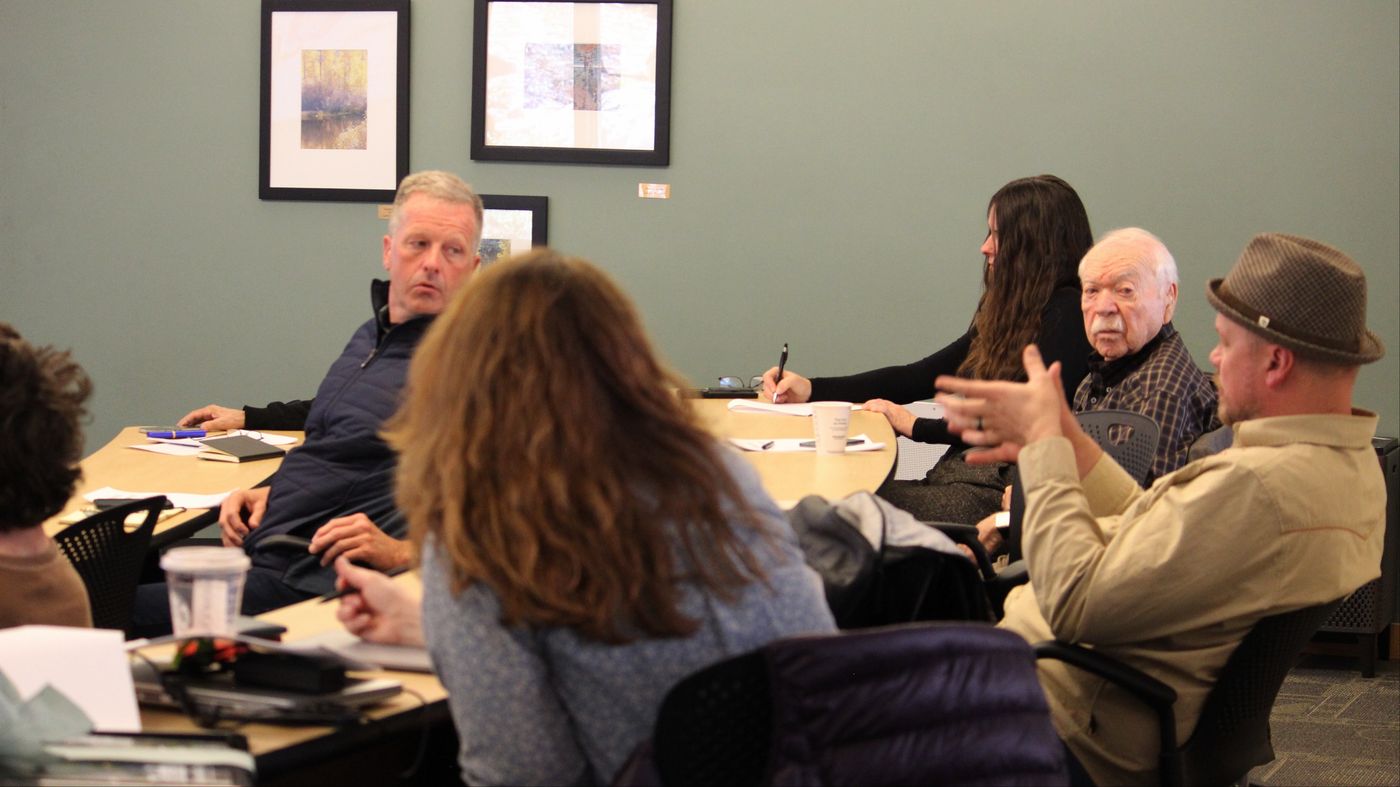
Students in our weekend courses are often joined by Incline Village neighbors: executives, entrepreneurs and CEOs who come to learn and to give back as speakers and mentors.
“I first came for the lectures. What keeps me coming back is who’s in the room: founders and investors who live right here, and a local community that turns out for this,” said Conrad Voorsanger.
“UNR students have so much talent. Now they can capture new skills and exposure to investors, innovators and entrepreneurs, and that’s worth helping build.”

Lavender’s scent comes largely from linalool and linalyl acetate, and their balance shifts with variety, harvest and pollinator visits. We work with regional growers to analyze their oils by LC-MS.
Linalool gives a fresh, floral scent with subtle spice; linalyl acetate adds a sweeter, softer note. Studies show that pollination can raise linalyl acetate levels, which makes a sweeter oil but may matter for culinary lavender, where flavor counts as much as fragrance.
Flowers harvested at different stages of bloom can shift that balance in the finished oil, which is one reason two bottles from the same species can smell different. The lab supports growers’ steam distillation and compares the chemistry of oils from different varieties.
The fellowship recognizes senior graduate students who bridge academic research and industry innovation. Fellows spend a year working from the Lake Tahoe campus, training on new instruments and building connections with industry professionals.
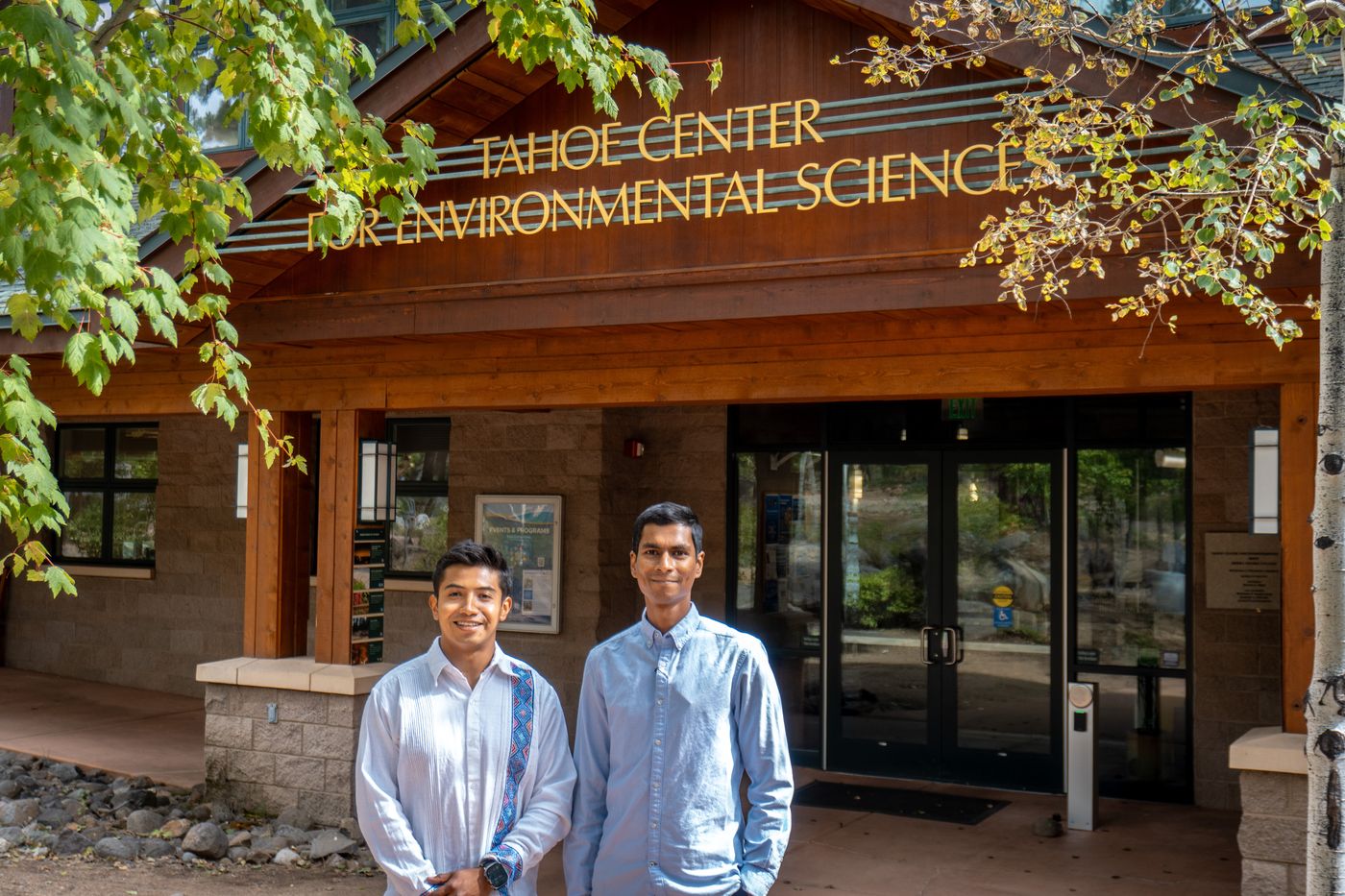
Studies extreme photoprotection in lichens and cyanobacteria.
“There’s a tension between what I know how to do and what I’m trying to address with my research. That kind of tension is where a lot of innovations in science come from.”
 Mahmud’s research includes vulpinic acid, the pigment of wolf lichen.
“The drive up, into the pine trees, hearing the wind blowing in the leaves and the disconnection from what we do every day helps to keep me moving forward.”
New instruments on their way to the lab will mirror modern industrial and research labs, giving students training not yet available on the main campus. Made possible by Nevada Tech Hub and Agilent Technologies.

Once installed, fellows and course participants will run real samples on these instruments, from lavender oils to lichen pigments.

Our courses, the Tahoe Series talks and community gatherings bring students, scientists, entrepreneurs and neighbors together to talk about what sustainable innovation could look like for the region. Join the email list and choose the topics you care about.
The Tahoe Discovery Lab is run by faculty from the University of Nevada, Reno Department of Chemistry and the Hitchcock Center for Chemical Ecology, with the support of campus leadership at Lake Tahoe.
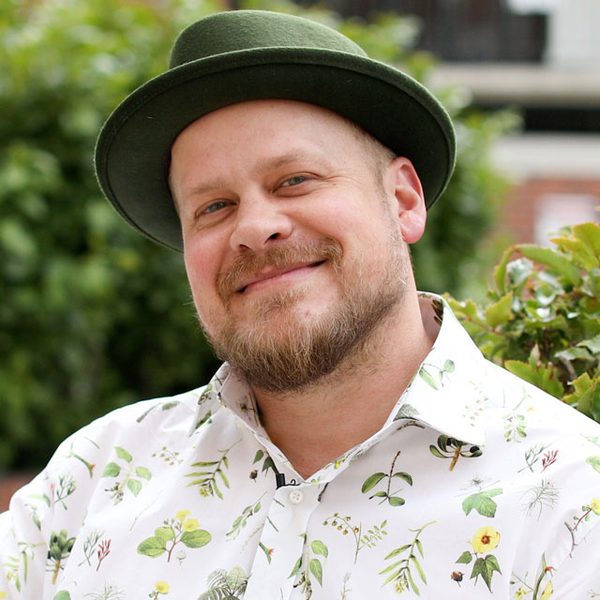
Director
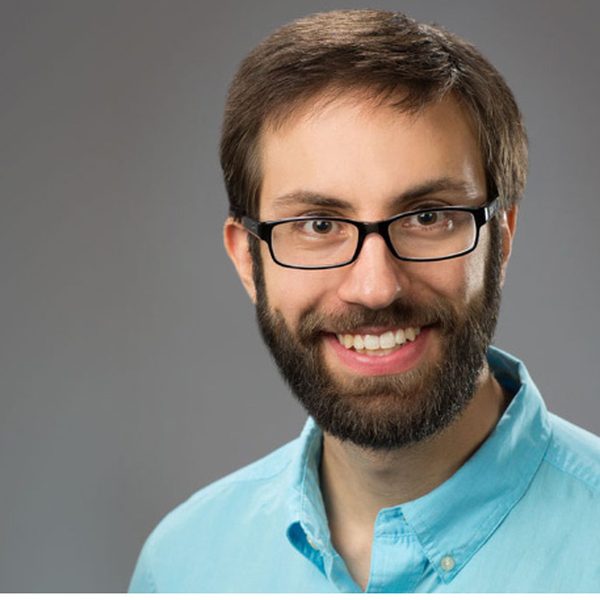
Co-Scientific Director
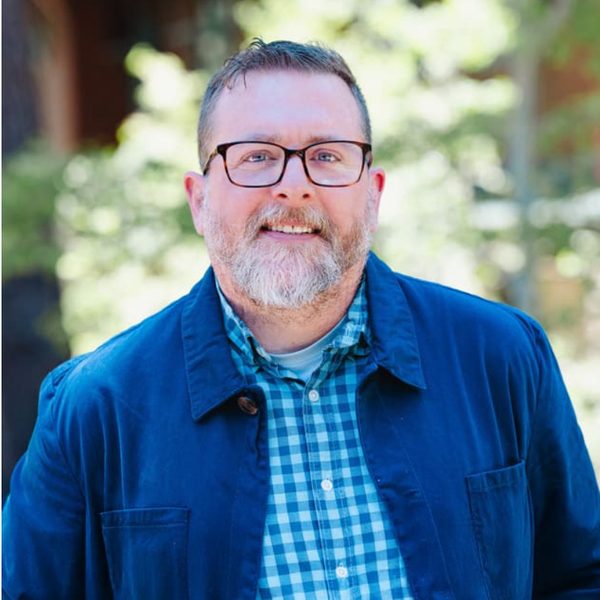
Co-Scientific Director

External Relations & Academic Engagement
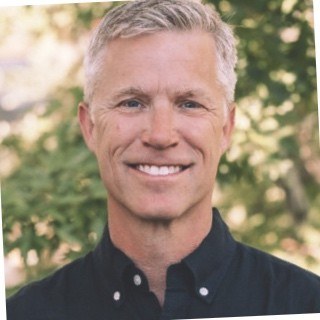
Community Faculty
The lab grows through the people who show up. There is a place for you whether you are a first-year student or have spent decades leading a company.
Take a weekend course for credit, train on industry instruments, or apply for a Hitchcock-TDL Fellowship as a senior graduate student.
Mentor students, speak at a course or the Tahoe Series, or partner with us on a project or an instrument.
Come to a talk, sit in on a weekend course, and help us build a community of lifelong learners at the lake.
cjeffrey@unr.eduThe Tahoe Discovery Lab grew out of the Jeffrey Research Group and the Hitchcock Center for Chemical Ecology at the University of Nevada, Reno. See the group’s research in synthesis, natural products and chemical ecology.